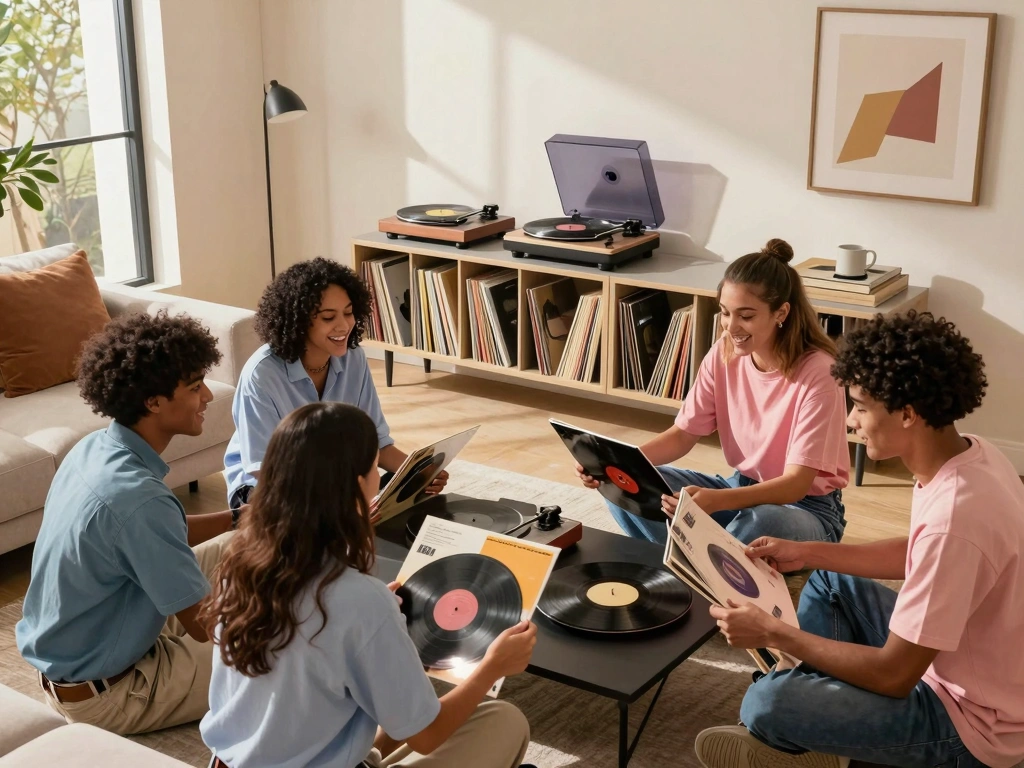
Understanding Digital Music Production with jawa138
As we step into 2026, the world of music is being transformed by technological advancements, enabling everyone from budding musicians to seasoned producers to harness the power of digital music production. With platforms like jawa138, learners can access a wealth of resources designed to facilitate this creative journey. In this article, we will explore the dynamics of digital music production, including essential tools, techniques, and industry trends.
What is Digital Music Production?
Digital music production refers to the process of creating, arranging, and recording music using digital tools rather than traditional methods. This includes using computers, software applications, and various audio hardware to compose and produce tracks. Digital Audio Workstations (DAWs) play a crucial role as they provide a platform for recording, editing, and mixing audio tracks, enabling artists to produce music in a more flexible and efficient manner.
The Importance of Technology in Music Creation
With innovations in technology, music production has become more accessible than ever. Artists can collaborate remotely, use cloud storage to save their work, and even distribute their music through various digital platforms. This technological progress not only enhances creativity but also increases the quality of music being produced today, allowing for high-fidelity recordings and complex arrangements.
Overview of Industry Trends in 2026
2026 has seen trends such as the rise of artificial intelligence in music composition, increased use of virtual reality in live performances, and a greater emphasis on sustainability in music production. Additionally, the democratization of music creation continues to empower individuals worldwide, with online courses and tutorials making professional music education more attainable.
Essential Tools and Software for Music Production
Exploring Digital Audio Workstations (DAWs)
Choosing the right Digital Audio Workstation (DAW) is critical for successful music production. Popular options include Ableton Live, FL Studio, and Pro Tools, each offering unique features catered to different aspects of music making. For beginners, platforms like GarageBand provide intuitive interfaces that ease the learning curve.
Understanding Virtual Instruments
Virtual instruments are software emulations of traditional instruments or completely new sounds. They are essential for modern music production, allowing producers to create diverse sonic palettes without needing to invest in physical instruments. Whether it's synthesizers, samplers, or drum machines, understanding how to use virtual instruments can significantly expand your music creation capability.
Key Plugins for Mixing and Mastering
In the mixing and mastering stages, plugins play an indispensable role. They can be used to enhance audio tracks through effects like reverb, delay, and compression. Learning which plugins to use and how to apply them is vital for producing polished recordings that stand out in a competitive marketplace.
Fundamentals of Music Theory and Composition
Basics of Melody and Harmony
Understanding the basics of melody and harmony is important for creating engaging music. Melodies are the main themes of a piece, while harmonies add depth and richness. By studying these concepts, aspiring producers can craft compelling musical phrases that resonate with audiences.
Arranging Your First Track
Arranging also plays a key role in music production. It involves determining how different sections of a track fit together to form a cohesive piece. The arrangement should guide the listener through the song, building tension and releasing it at just the right moments.
Creating Unique Beats for Modern Music
Beats are the backbone of many music genres today. Modern production often involves intricate drum patterns and rhythm variations. By experimenting with different percussion sounds and layering techniques, producers can create beats that are both unique and catchy, appealing to a wide array of listeners.
Techniques for Recording and Editing
Essential Microphone Setup for Home Studios
Proper microphone placement and setup are crucial for high-quality recordings, especially in a home studio environment. Factors such as mic type, distance from the source, and the acoustic treatment of the recording space should be carefully considered to capture the best sound.
Editing Audio: Tips and Tricks
Editing is where music production truly comes together. Learning effective editing techniques, such as cutting unwanted noise, fixing timing issues, and aligning tracks, can greatly enhance the final product. Utilizing shortcuts and features within your DAW can streamline this process.
Mixing Fundamentals for Beginners
Mixing involves balancing the elements of a track to create a cohesive sound. Beginners should focus on gaining a good understanding of levels, panning, and EQ. A well-mixed song will ensure that each element complements the others, leading to an engaging listening experience.
Advanced Production Techniques for Success
Mastering Your Track for Various Formats
Mastering is the final step in the music production process. It prepares a track for distribution and involves adjusting levels, equalization, and dynamic range. Mastering for different formats—streaming services, radio, or vinyl—requires knowledge of their specific requirements to ensure optimal playback quality.
Exploring Creative Sound Design
Sound design enables producers to craft new and interesting sounds using synthesis and sampling techniques. By experimenting with different waveforms, modulation techniques, and effects, one can create soundscapes that add a unique character to their productions.
Building a Portfolio and Networking in the Industry
For those looking to establish a career in music, building a strong portfolio is essential. It showcases your best work and helps to attract potential collaborators or clients. Networking within the industry, attending events, and engaging in online communities can open doors to new opportunities.
Responsible Learning and Development in Music Production
As with gambling and any competitive field, approaching music production with a responsible mindset is crucial. Set personal limits regarding time spent learning and producing, ensuring that the process remains enjoyable rather than stressful. Just as in gambling, where it's important to "always gamble responsibly," aspiring musicians should pursue their passion while maintaining a healthy balance.
By understanding the importance of these considerations and applying the knowledge gained from resources like jawa138, individuals can successfully navigate their music production journeys with creativity and confidence, setting themselves up for a rewarding experience in the digital music landscape.